Navigation
Investigations
Features
Blog
Events & Training
NIMJN Talk
Training/Workshops
Journathon
Newsletter
About
Our Team
Fellows
Interns
Past Interns
Our Network
Publishing Partner
Past Fellows
Newsletter
FAQs
En
/
Np
En
/
Np
Investigations
Features
Blog
Events & Training
NIMJN Talk
Training/Workshops
Journathon
Newsletter
About
Our Team
Fellows
Interns
Past Interns
Our Network
Publishing Partner
Past Fellows
Newsletter
FAQs
Accountability
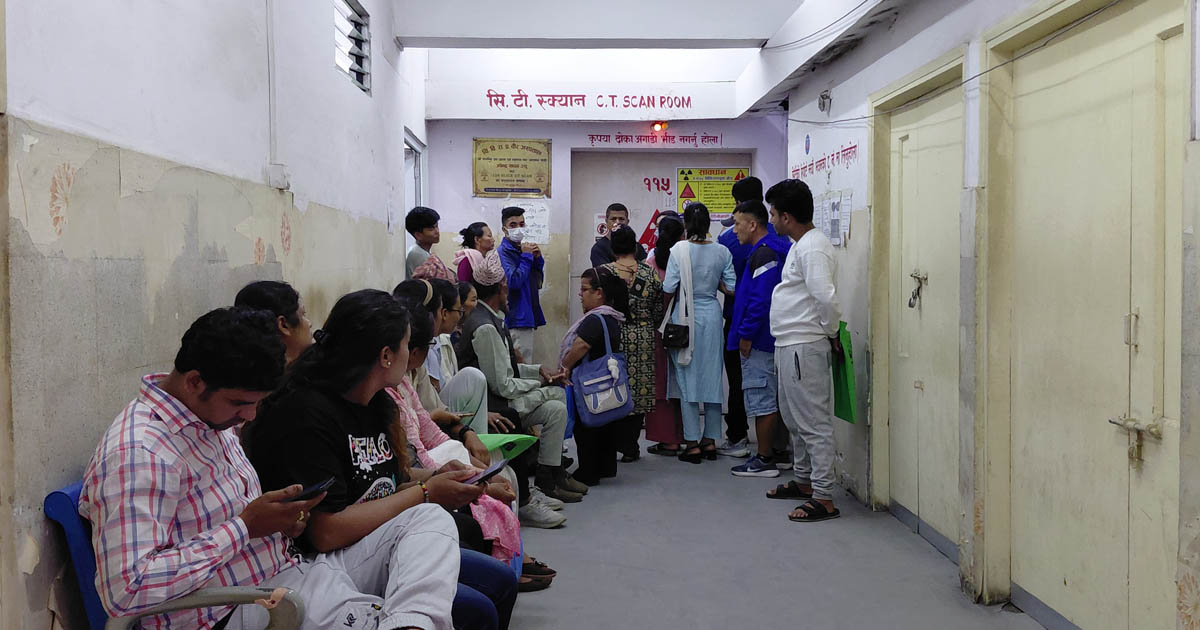
Leaking Scanners, Missing Badges, No Regulator
Six years after Nepal passed its radiation law, most hospitals lack a license, the oversight division doesn’t exist, and staff at major hospitals say they have never received dosimeter badges.
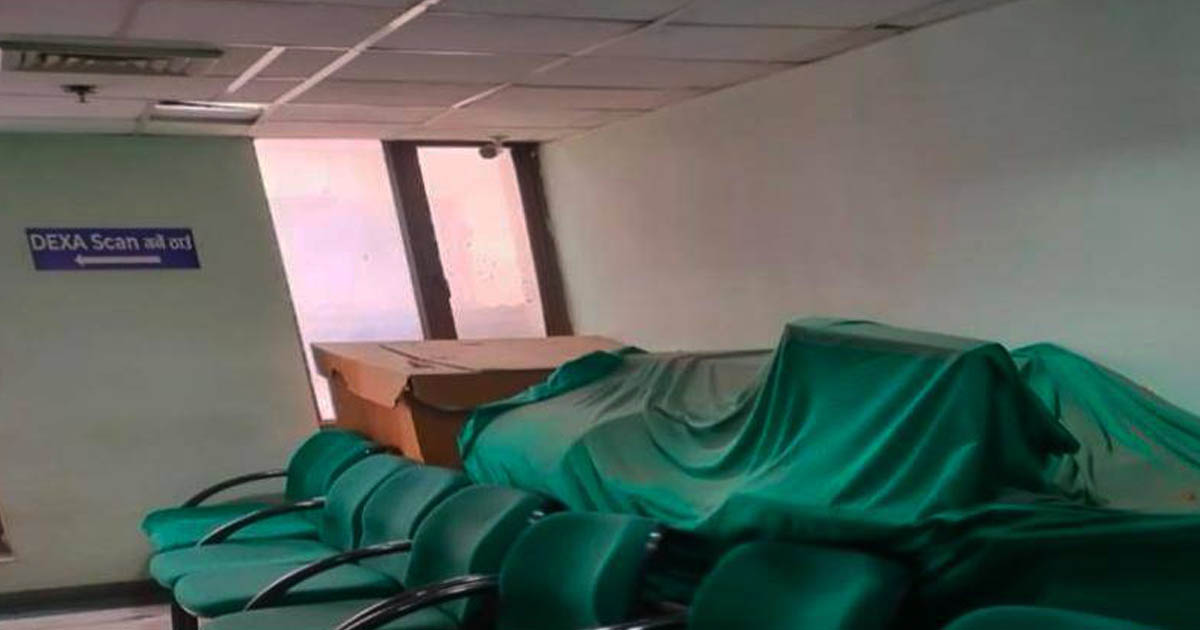
Rs 1 Billion in Health Equipment Sits Idle as Bir, Trauma Centre Buy New
At Bir Hospital and the National Trauma Center, medical equipment worth over 1 billion rupees lies broken and unutilized. While hospital administrations ignore the maintenance of these devices, they are found to be purchasing millions of rupees worth of new equipment every year.
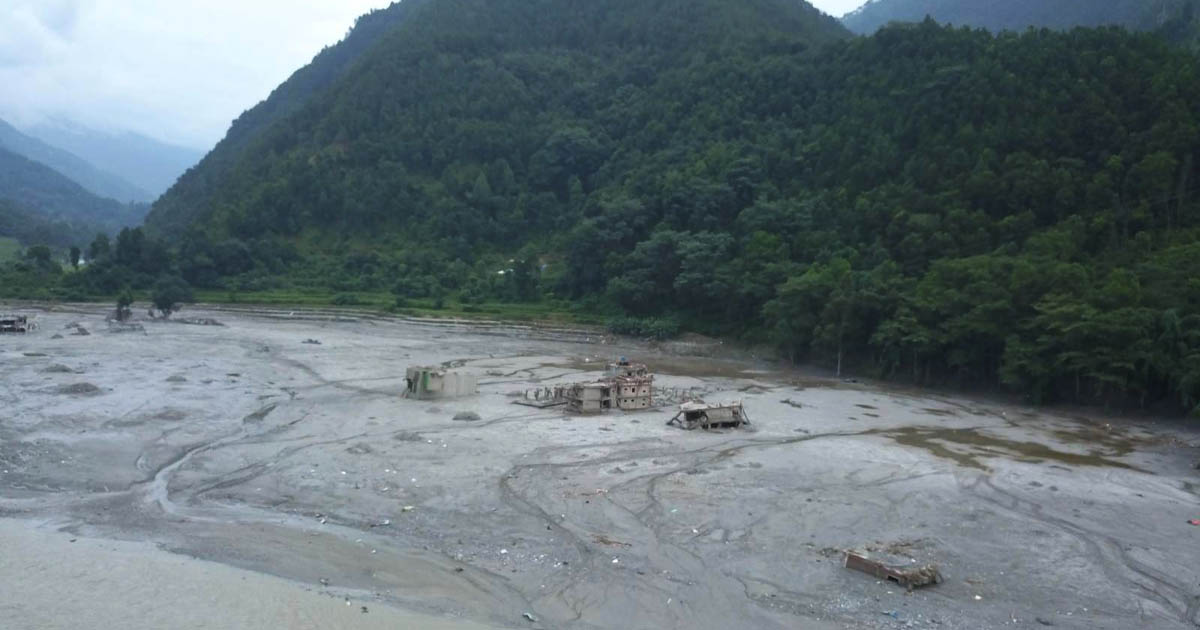
Rasuwa Floods Devastate Local Agricultural Ecosystem
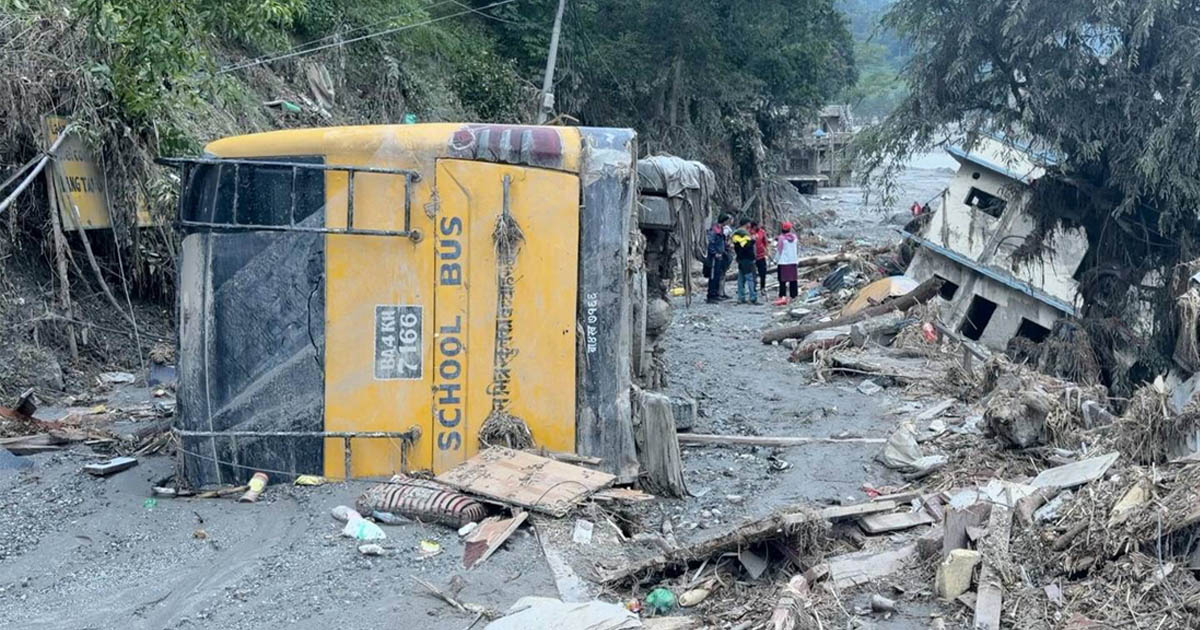
According to an assessment report by the authority, the floods in the Trishuli River are estimated to cause a loss of around 7,700 tons of food grain production. For farming families, this means not only the loss of the current crop but serves as a warning that future production and income opportunities could also be thrown into crisis.
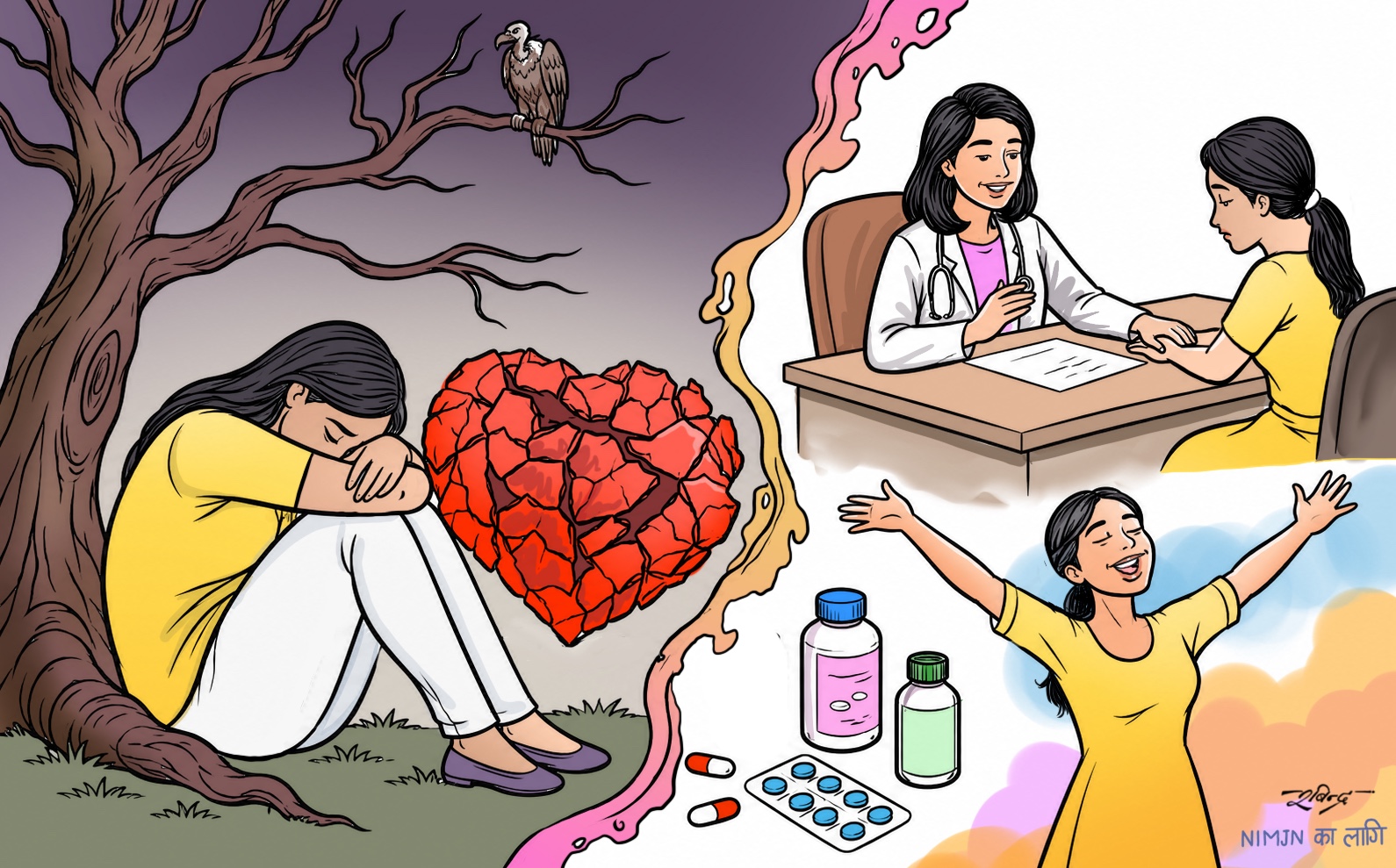
Nepal's Silent Crisis: Mental Illness Without a Budget
Although mental health issues in Nepal are becoming alarming, the government has not given high priority to their treatment.
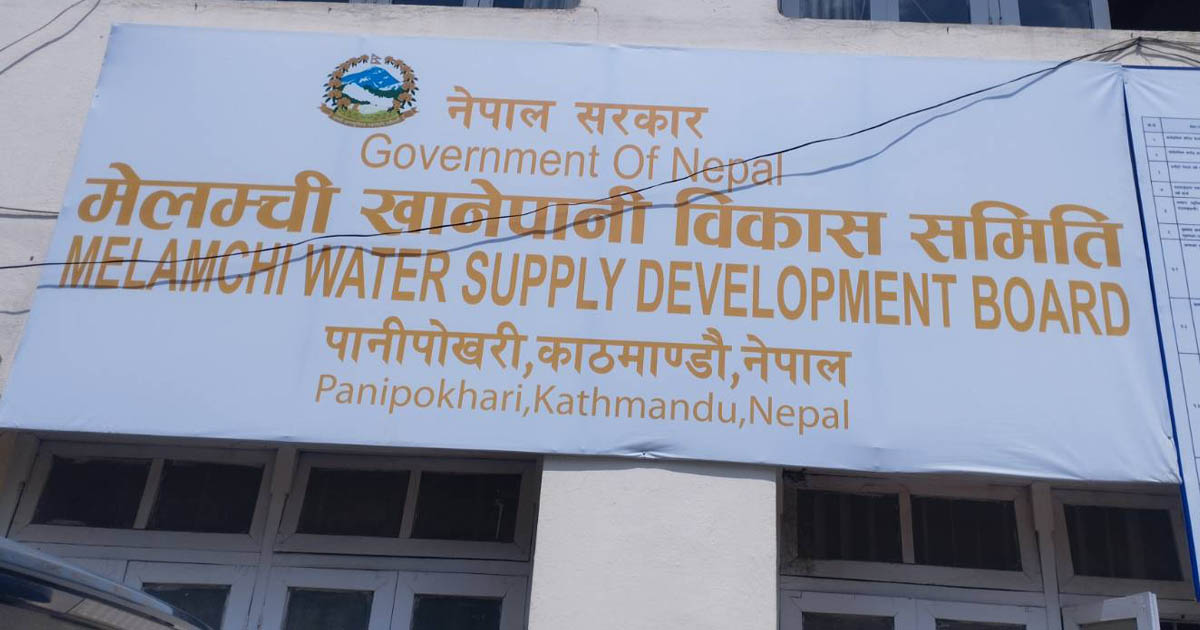
Royalties Owed to Melamchi Go Unpaid as Its Water Flows to Kathmandu
Residents of Melamchi, who are supplying water to the inhabitants of the capital Kathmandu, have not been able to receive the royalties they are legally entitled to.
Flood-Swept Schools Struggle to Find Space to Reopen
Schools completely damaged by floods in Rasuwa, Nuwakot and Dhading want to ease the trauma of the flood by gathering students in one place to offer psychosocial counseling and resume classes. However, they are struggling to manage the necessary infrastructure to operate the schools.
A Year After Nepal's Uprising, Self-Immolations Test the State's Promise of Change
Five people set themselves on fire in Nepal in July. Some are now reading the deaths as political in a country whose citizens are asking whether, one year after its Gen Z revolution, anything has changed.
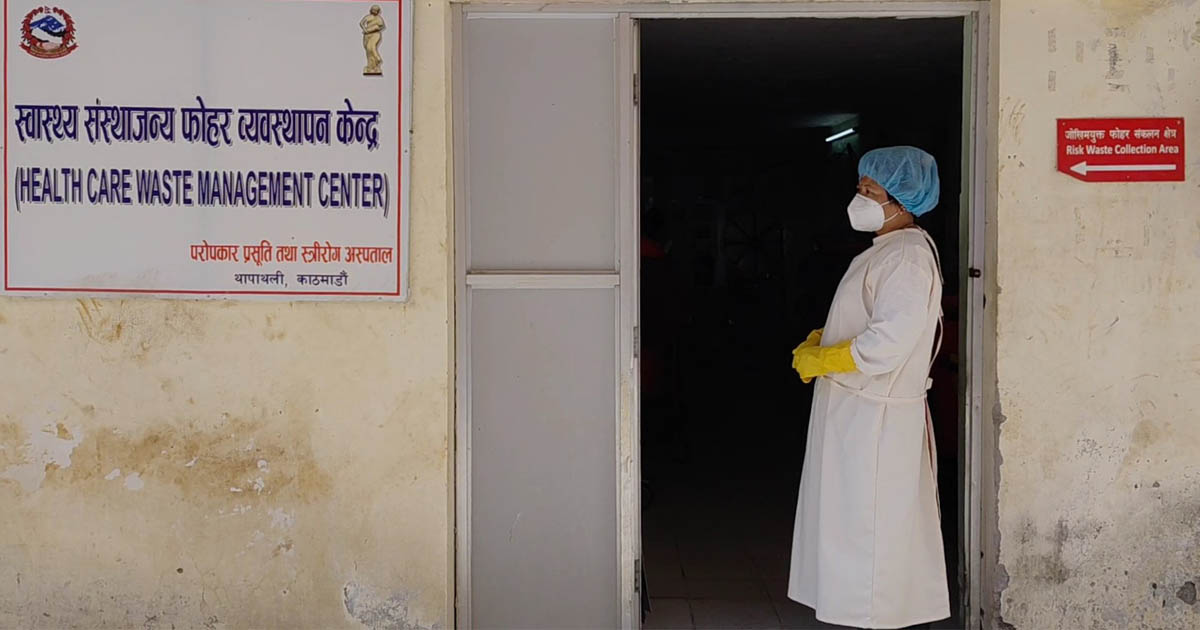
Kathmandu Hospitals Leave Medical Waste Handlers Unprotected
At Kathmandu's two largest public hospitals, the staff who sterilize and sort medical waste by hand say they go without paid sick leave, functioning equipment, or hazard pay, despite routine exposure to HIV, hepatitis, and tuberculosis.
Bara Teacher Who Won Supreme Court Case Against Crusher Faces Continued Pressure From Police, Operators
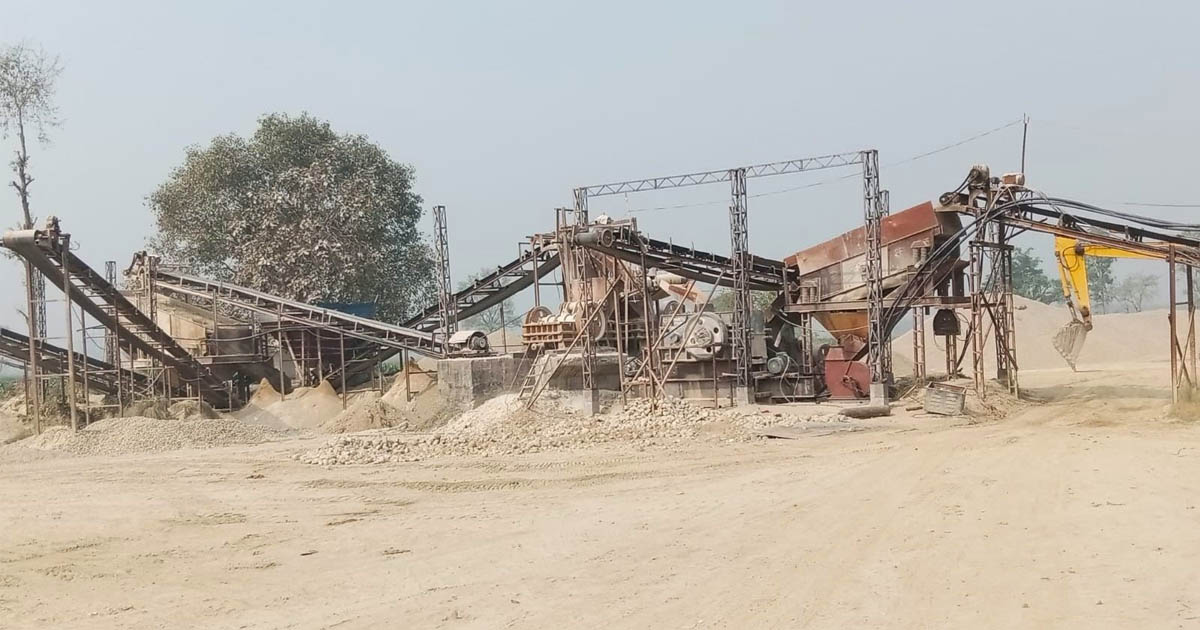
Minakshi Aggregate Industries, located in Sripur village of Kalaiya Sub-Metropolitan City-24, Bara, which the Supreme Court ordered to shut down, is preparing to resume operations. Meanwhile, the village schoolteacher who won the case in the Supreme Court is being continuously harassed by the police and the crusher entrepreneur.
A Two-Year Promise, a Five-Year Wait: Nepal's Basic Hospitals Still Incomplete
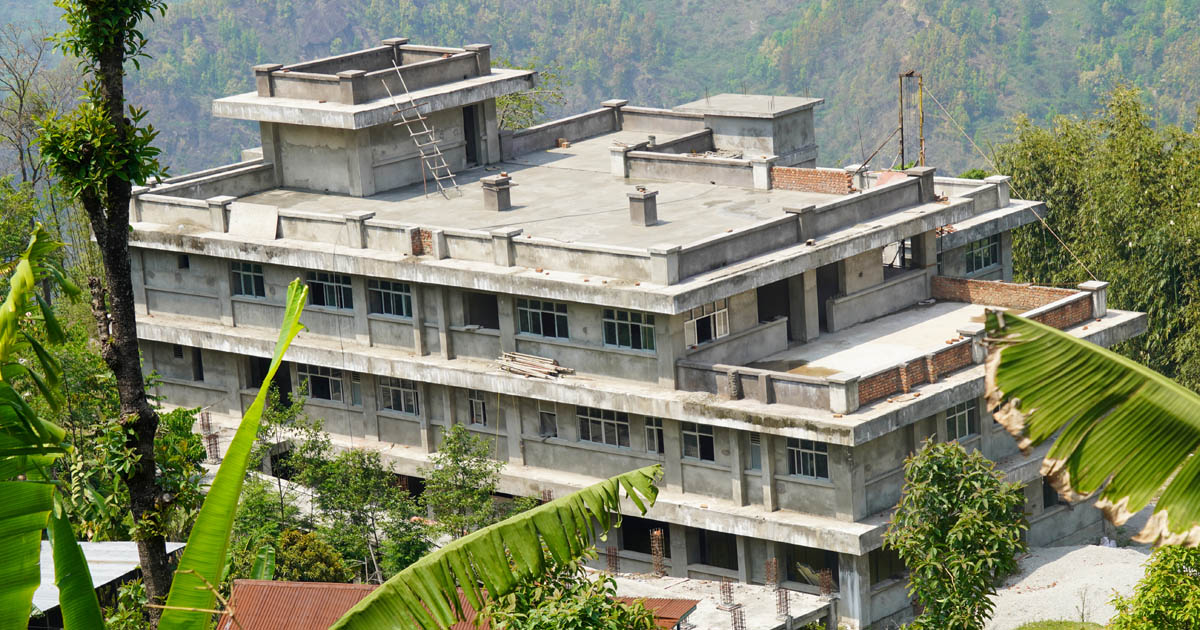
To provide healthcare facilities in rural areas, the government in 2020 announced the construction of 657 basic hospitals. Although the buildings were supposed to be completed within two years, most remain incomplete even after five-and-a-half years, while construction has not even started on some. Even among the buildings that have been constructed, services are not running smoothly.
Forgotten: The Roshi Flood Survivors Still Without Homes
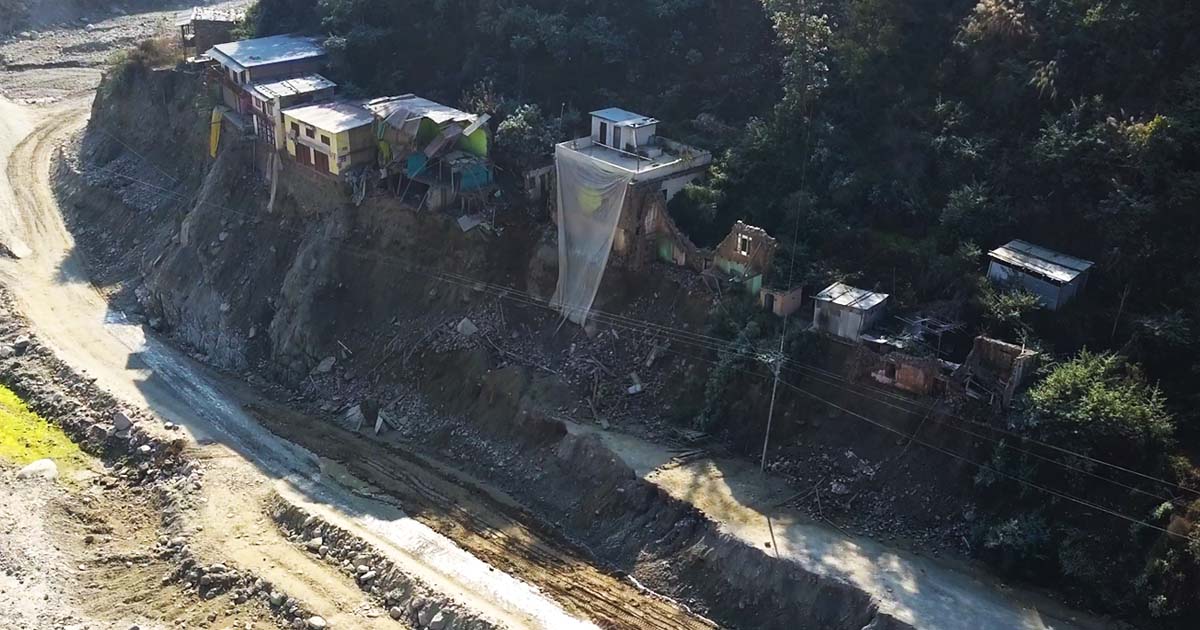
Jeevan and Chyangba Rani lament that they are still forced to live in huts because they have yet to receive the reconstruction funds promised by the government. They are not alone. According to the National Reconstruction Authority, there are 2,589 households across 33 districts waiting for housing grants.
Erased: A Woman, a House, and the Silence After
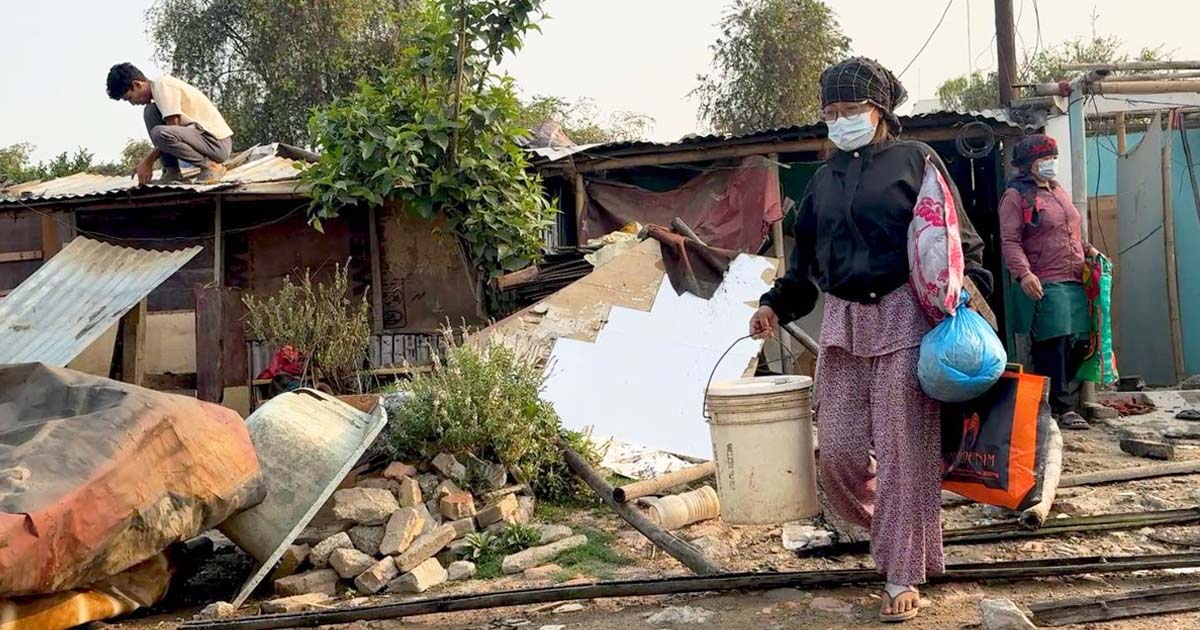
After Maitimaya Tamang’s home on the banks of the Bagmati, a shack built of bamboo, plastic and tin through years of labor as a daily wage worker, cleaner and corn seller, was demolished by the government with just one day’s notice, she is left terrified of the state and uncertain of her future.
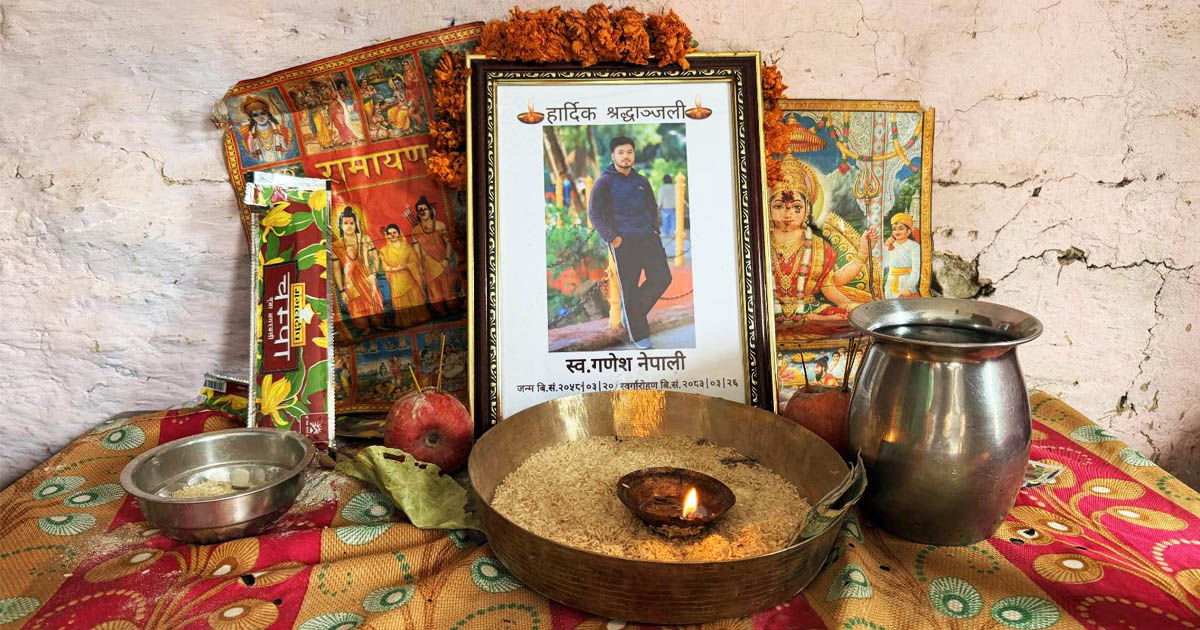
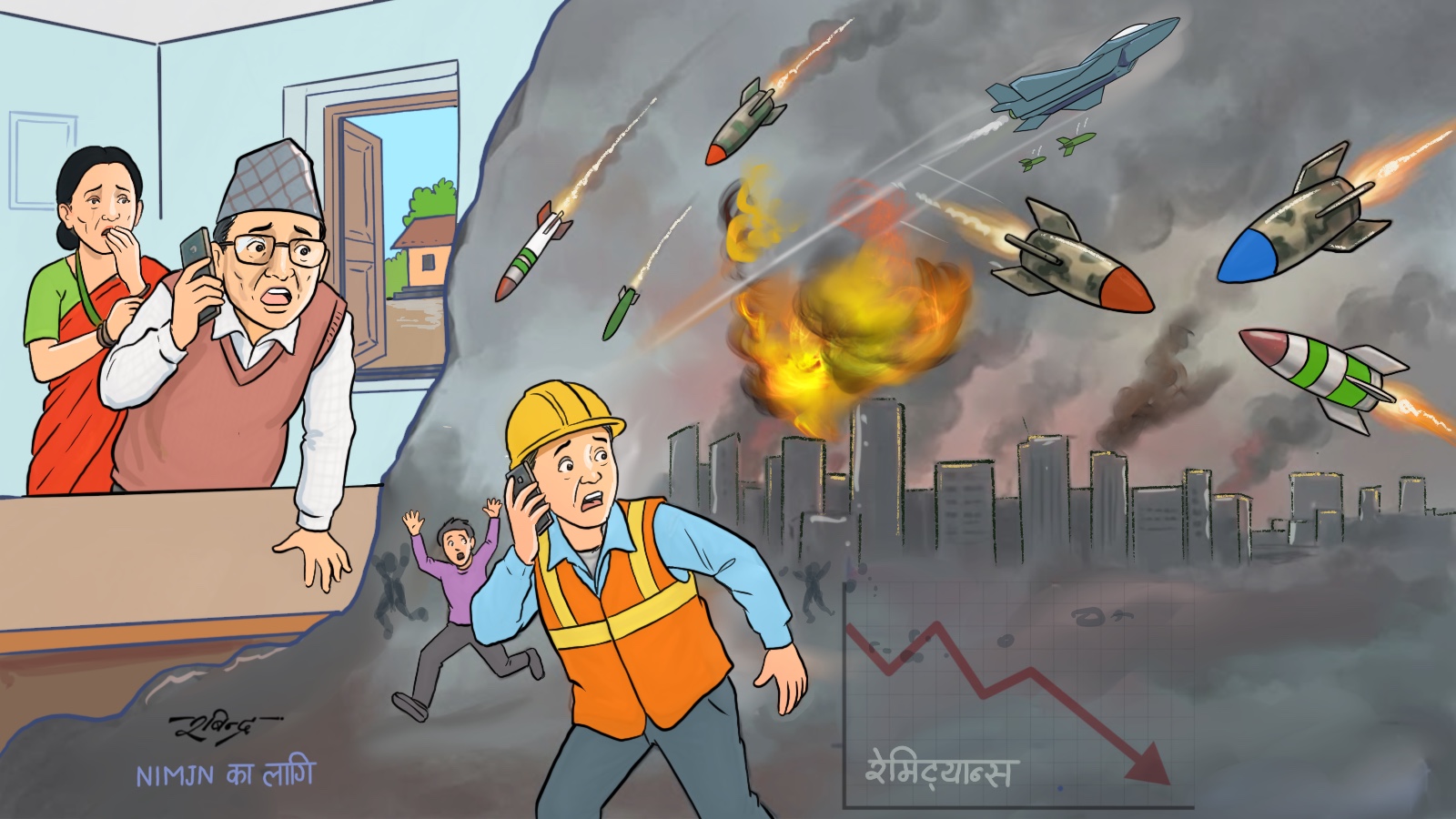
Escalating Gulf Crisis Puts 1.7 Million Nepalis at Risk; One Fatality Confirmed
Nepalis have been impacted by rising tensions in the Gulf following the start of attacks on Iran by the United States and Israel. One Nepali has already lost his life due to the war. As the conflict drags on, the families of 1.7 million Nepalis living in the Gulf are facing growing anxiety.
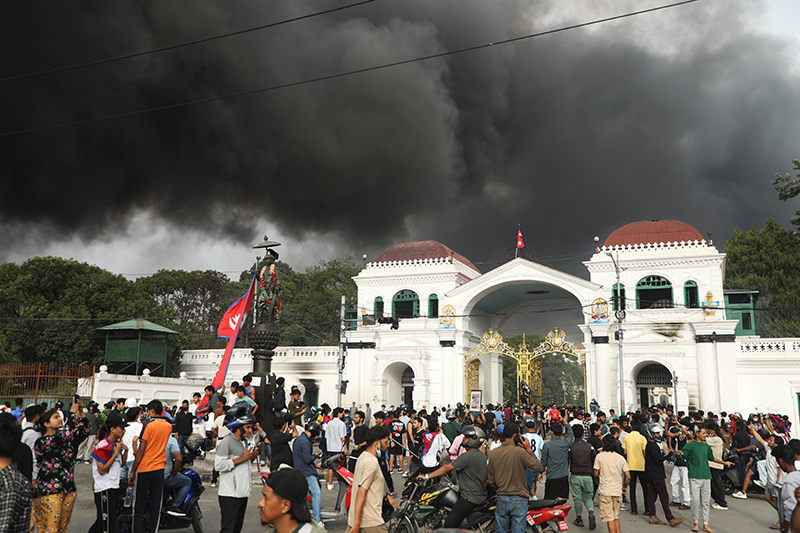
Karki Commission Report: Action Urged for Sept 8 Violence, Sept 9 Arson Ignored
Although the government has not officially released the report submitted by the commission formed under the leadership of former judge Gauri Bahadur Karki, it has been made public through the media. The report accuses then-Prime Minister KP Sharma Oli, then-Home Minister Ramesh Lekhak, and then-Inspector General of Police Chandra Kuber Khapung of negligent and reckless actions.
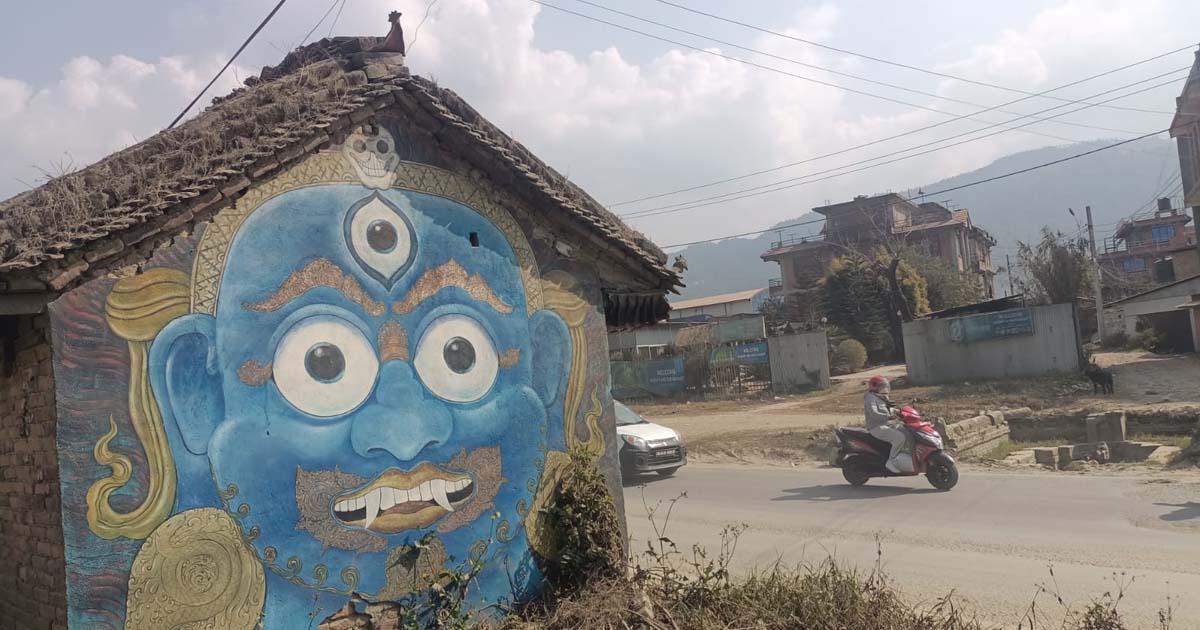
Heritage Lost as Suryabinayak–Dhulikhel Road Expansion Buries Ancient Sites
Historical heritage sites, including traditional rest houses (Pati, Pauwa), community wells (Kuwa), stone spouts (Dhunge Dhara), and temples, are being destroyed during the expansion of the Suryabinayak-Dhulikhel road.
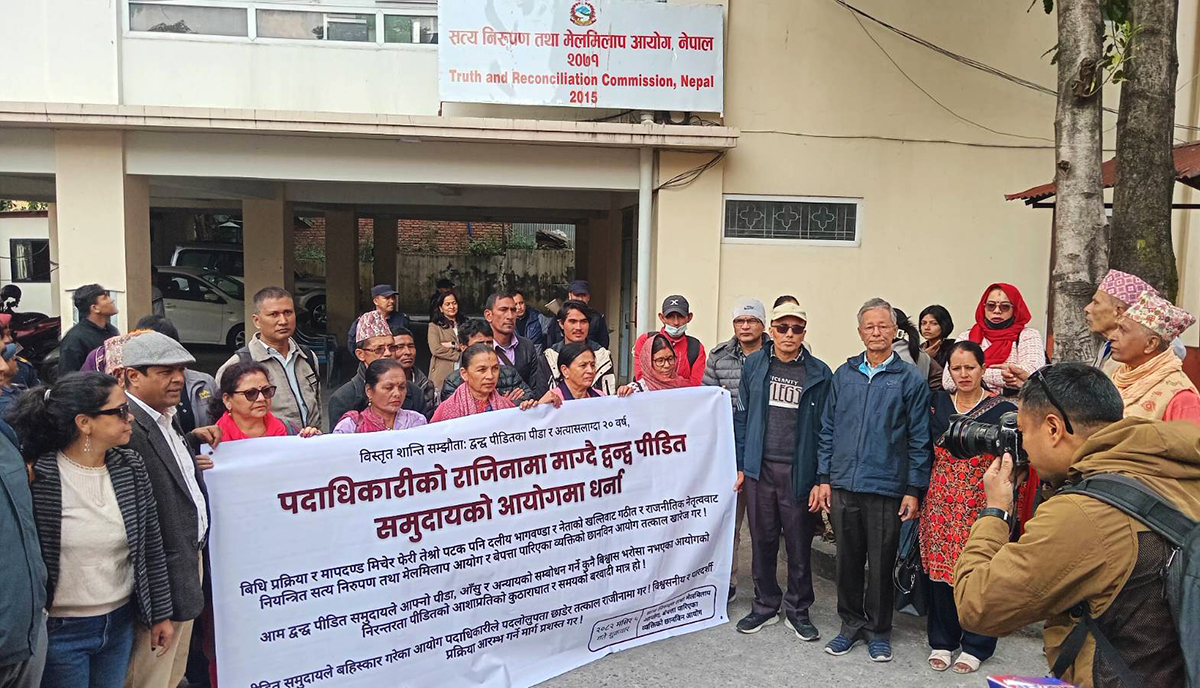
Written Into the Manifesto, Never Put Into Practice: The Failure of Transitional Justice
We previously reported on how the government’s repeated appointment of officials to the Truth and Reconciliation Commission and the Commission of Investigation on Enforced Disappeared Persons based on political quotas – rather than competence, merit, and impartiality – has left conflict victims without justice or reparations even two decades after the peace agreement. In this story, we focus on the necessary steps to resolve the grievances of conflict victims and the specific plans political parties have outlined in their election manifestos.
Nepal Election : Online Harassment Against Female Candidates on the Rise
As the House of Representatives elections approach on March 5, the political landscape is witnessing a troubling surge in digital hostility. With 388 women competing for first-past-the-post (FPTP) seats, the proximity of the polls has triggered a wave of character assassination and targeted vitriol across social media and online platforms.
Still No Justice: Nepal's Civil War Victims and the Long Wait for Accountability
Due to the government repeatedly appointing officials to the Truth and Reconciliation Commission (TRC) and the Commission of Investigation on Enforced Disappeared Persons (CIEDP) through political quotas, rather than selecting competent, qualified and impartial individuals, conflict victims have failed to receive justice and reparations even two decades after the peace agreement.
Political Parties Sideline Disability Rights in Nepal's Election
There are nearly 650,000 people with disabilities in the country. However, political parties have failed to ensure their dignified participation in the Provincial Assembly and the House of Representatives. Due to this lack of meaningful representation in Parliament, the voices advocating for the rights of people with disabilities remain unheard.
NIMJN Investigation Reveals: Political Parties Systematically Flout Donation Disclosure Laws
The Nepal Investigative Multimedia Journalism Network (NIMJN) revealed last August that political parties had evaded taxes and disclosed statements of income and expenditure that were lower than the actual figures.
1
2
3
Next
header.Language